Fireproofing Grass Valley, CA
Let us help you protect your most valuable asset. We can inspect your property, review and suggest Home Hardening improvements such as Fire Safe Venting, Enclosing Soffits, and Brush Clearing. You can protect your home from the next wildfire. We are based in Grass Valley and serve the greater Nevada County area.
Fireproof Your Home Today!
Our Services

Insurance Approved
We can work with your insurance to get discounts and approval for your home.

Flexible Application
The treatment is compatible with most home exteriors including various siding/roofing.

Minimal Maintenance
No mess, no extended construction site at your home, we can get in and out in as little as 1 day.
Invisible Barrier
Home hardening applies an invisible coating to your home that preserves it’s appearance.
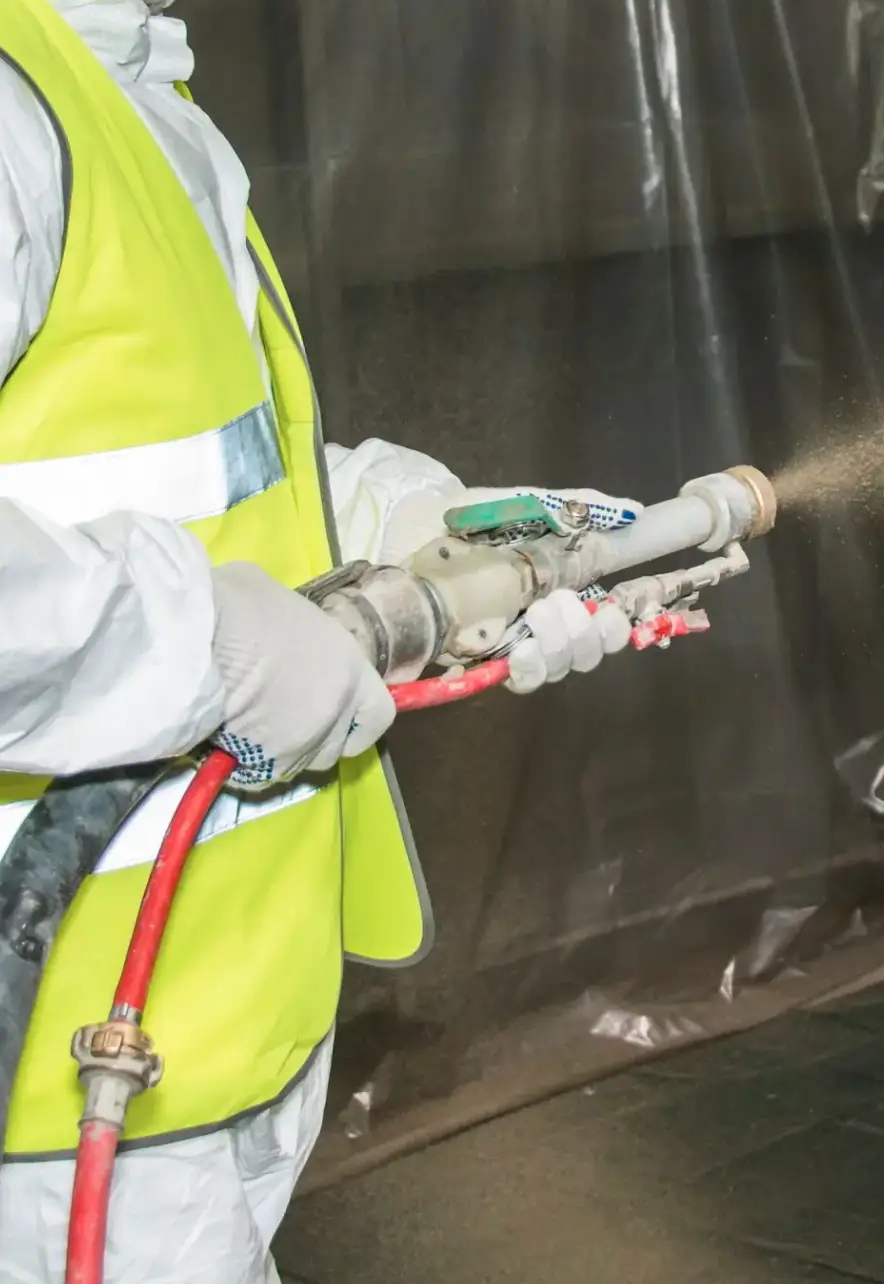
The most important investment you can make in your home is protecting it.
Your home is one of your most valuable investments, and protecting it from the threat of wildfires is essential.
Wildfires can strike unexpectedly, and preparation is key. Let us help you fortify your home with the latest fire mitigation techniques and industry best practices.
With years of experience in construction and fire mitigation, we help identify vulnerabilities and recommend proven solutions to safeguard your home.
Our Home Hardening Evaluation provides you with expert guidance to enhance your property’s resistance to fire.
Our Treatment Options ensure that your home is ready to withstand potential fire threats, so you can have peace of mind knowing your investment is protected.
Years Established
Completed Projects
Protection
& Safety for
Your Family
Are there specific laws about defensible space where I live?
Most Sierra Nevada counties follow California’s 100‑foot defensible‑space requirements for homes in State Responsibility Area (SRA) or local high‑fire‑risk zones, and many have their own vegetation ordinances. Local fire districts may also have inspection standards and guidelines.
What’s the difference between defensible space and fire hardening?
Defensible space is how you manage vegetation and fuels around the home; fire hardening is how you build or retrofit the structure itself (roof, siding, vents, decks, windows, etc.) to resist embers, heat, and direct flame.
Which part of my house is most vulnerable to wildfire?
Embers are usually the main threat, not a wall of flame. Roofs, vents, eaves, gutters, decks, fences, and the first 0–5 feet around the home are often the weak points where embers land, get trapped, and ignite.
Are dual‑pane or tempered windows really that important?
Yes. Dual‑pane windows, especially with at least one tempered pane, are more resistant to breaking under heat and radiant energy. Larger picture windows facing heavy fuels are higher‑risk and benefit most from upgrades and good clearance outside.
Should I harden sheds and outbuildings too?
Yes, especially if they’re close to the house or contain fuel (gas, tools, vehicles). Apply a “mini” version of home hardening; clear vegetation, keep roofs and gutters clean, and consider upgrading siding/roofing when you can.
Construction | Roofing | Landscaping | Fireproofing | Financing | About | Contact | Privacy Policy | Terms & Conditions
© 2026 Lares & Law Roofing & Construction